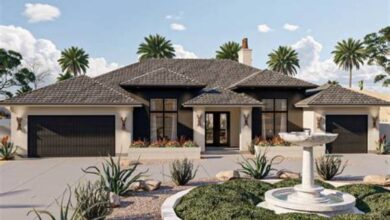
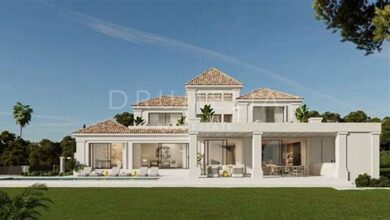
When considering the clay tile roof cost for a 2500 sq ft Mediterranean house, it’s essential to have a clear understanding of the factors that contribute to the overall expense. The traditional and elegant look of clay tiles is appealing, and they offer durability and energy efficiency. However, the cost can vary greatly based on several elements, including materials, labor, and additional features.
Understanding the Basics of Clay Tile Roofs
Clay tiles are a popular choice for Mediterranean-style homes due to their aesthetic appeal and longevity. When calculating the clay tile roof cost for a 2500 sq ft Mediterranean house, several factors come into play. First, the type of clay tile you choose will affect the cost. Standard clay tiles might be more affordable, whereas designer or custom tiles could significantly raise expenses. Additionally, the complexity of your roof’s design can influence labor costs. Roofs with many angles and architectural features may require more skilled labor, increasing the overall cost. Lastly, geographical location can impact both the price of materials and labor costs. Understanding these factors will help you make a more informed decision regarding your roof investment.



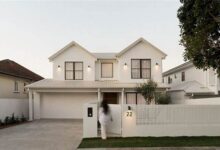

Factors Affecting Clay Tile Roof Cost
1. Material Quality: The quality of the clay tiles will directly impact the clay tile roof cost for a 2500 sq ft Mediterranean house. Premium tiles may cost more but offer better longevity and appearance.
2. Roof Complexity: A roof with multiple angles and pitches can increase installation difficulty, leading to higher labor costs for the clay tile roof cost for a 2500 sq ft Mediterranean house.
3. Labor Rates: Labor costs vary by region, affecting the overall clay tile roof cost for a 2500 sq ft Mediterranean house. Regions with higher living costs typically have higher labor rates.
4. Location: Depending on where you live, the availability of materials and qualified craftsmen can affect the clay tile roof cost for a 2500 sq ft Mediterranean house.
5. Additional Features: Extras like specialized underlayment or enhanced waterproofing can add to the clay tile roof cost for a 2500 sq ft Mediterranean house.
Cost Breakdown: Components of a Clay Tile Roof Project
When planning for a clay tile roof cost for a 2500 sq ft Mediterranean house, it’s critical to break down the project into various components. Begin with the tiles themselves, which come in a variety of styles and colors, setting the tone for your home’s exterior. Next, consider the underlayment, an essential layer for waterproofing and insulation, often requiring professionals for proper installation. Labor is another significant component, encompassing the skilled craftsmanship needed to fit and secure each tile, particularly for intricate Mediterranean designs. Don’t forget additional costs related to permits and inspections, ensuring everything complies with local building codes. By understanding each component’s contribution to the overall cost, homeowners can budget more accurately and prioritize their needs.
Key Considerations for Homeowners
1. Weather Resistance: An essential consideration for the clay tile roof cost for a 2500 sq ft Mediterranean house is its resistance to local weather patterns, whether it’s intense heat or heavy rain.
2. Energy Efficiency: Clay tiles can improve energy efficiency, reducing heating and cooling costs, which can be a worthwhile consideration when assessing the overall clay tile roof cost for a 2500 sq ft Mediterranean house.
3. Aesthetic Appeal: The visual impact of clay tiles contributes to their popularity, so consider how they complement the style of your Mediterranean home.
4. Longevity and Durability: Clay tile roofs typically offer a long lifespan, which can justify the initial clay tile roof cost for a 2500 sq ft Mediterranean house over time.
5. Maintenance Needs: While generally low-maintenance, understanding the occasional requirements can help manage the clay tile roof cost for a 2500 sq ft Mediterranean house.
6. Installation Timeline: Be prepared for a longer installation process due to the complexity of working with clay tiles.
7. Warranty Options: Look into manufacturers’ warranties when evaluating the clay tile roof cost for a 2500 sq ft Mediterranean house to protect your investment further.
8. Professional Installation: Hire experienced professionals familiar with Mediterranean designs to ensure your investment is well-placed.
9. Insurance Implications: Check with your insurance provider regarding potential adjustments to your policy with the new clay tile roof.
10. Safety Considerations: Ensure proper safety measures are taken during installation due to the weight and material handling of clay tiles.
Tips for Budgeting and Financing
Proper budgeting is crucial when considering the clay tile roof cost for a 2500 sq ft Mediterranean house. Start by obtaining multiple quotes from reputable contractors to gauge a realistic price range. Evaluate financing options, as some lenders offer home improvement loans or favorable terms for energy-efficient upgrades. Investigate potential grants or incentives available for sustainable home projects that may offset costs. Additionally, maintain a contingency fund to cover unexpected expenses during the project. By creating a detailed budget plan, homeowners can manage financial commitments more effectively, making the investment in a clay tile roof a sustainable decision that enhances both the property’s value and aesthetic appeal.
Conclusion
Understanding the clay tile roof cost for a 2500 sq ft Mediterranean house involves evaluating several factors, from materials and labor to location and additional features. While initially expensive, the benefits of clay tiles—such as durability, energy efficiency, and timeless style—often make them a worthwhile investment. By thoroughly researching and planning, homeowners can confidently embark on this enhancement project, ensuring their Mediterranean home remains beautiful and protected for years to come. With appropriate budgeting, professional installation, and consideration of long-term benefits, the process can be both smooth and rewarding.